Compact Backhoe Loaders: A Complete Guide to Features, Uses, and Key Insights
Compact backhoe loaders are versatile machines widely used in construction, landscaping, agriculture, and infrastructure development. Designed to combine a front loader and a rear backhoe, these compact machines perform digging, trenching, lifting, and material handling in confined or urban environments. Their smaller footprint makes them suitable for projects where larger construction equipment cannot operate efficiently.
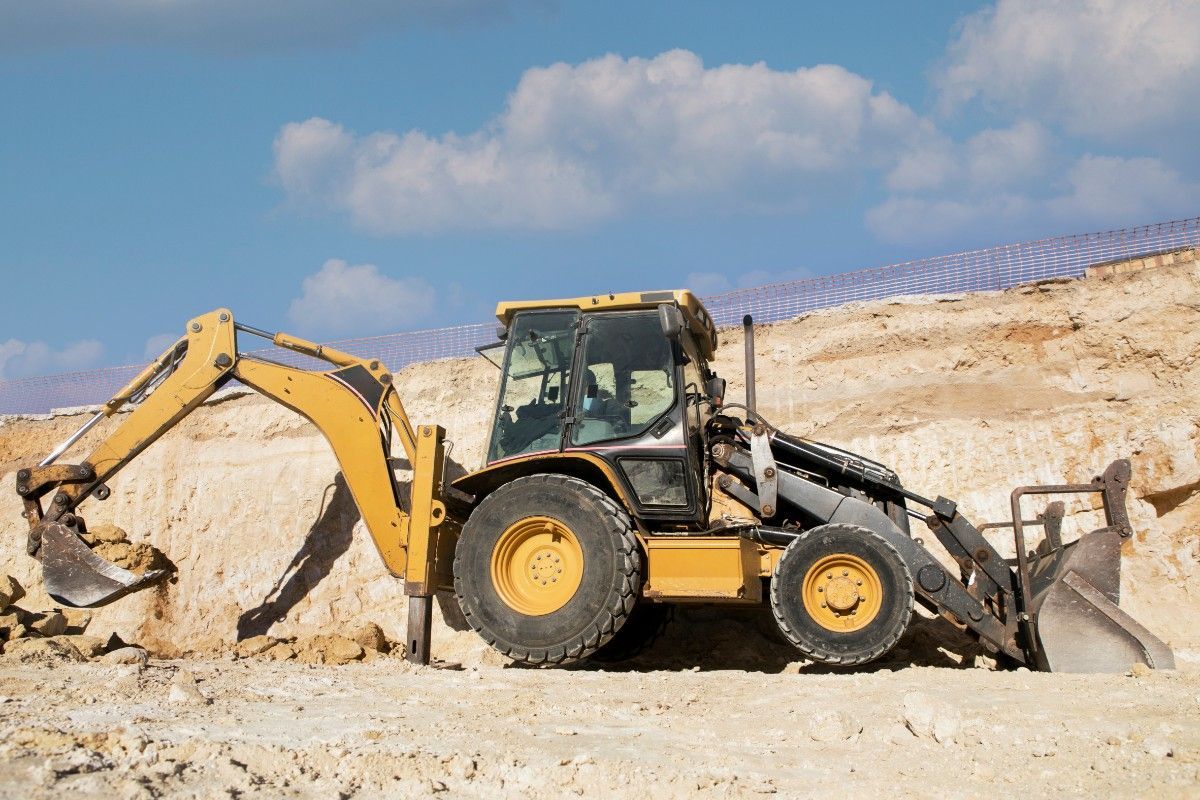
Compact backhoe loaders were developed to address the need for multifunctional heavy equipment in limited spaces. Traditional excavators and wheel loaders often require separate machines to complete different tasks. In contrast, compact backhoe loaders integrate both capabilities into a single unit.
A typical compact backhoe loader includes:
-
A front-mounted loader bucket for lifting, loading, and grading
-
A rear-mounted backhoe arm for digging and trenching
-
Stabilizers to maintain balance during excavation
-
A hydraulic system that powers attachments and implements
Manufacturers such as JCB, Caterpillar Inc., and CASE Construction Equipment have refined these machines with advanced hydraulics, improved operator cabins, and enhanced fuel efficiency.
Compact backhoe loaders exist because infrastructure projects, utility maintenance, and urban construction often require equipment that is both adaptable and space-efficient. Their design reflects the growing demand for equipment versatility and operational flexibility.
Why Compact Backhoe Loaders Matter Today
In modern infrastructure development, efficiency and adaptability are essential. Compact backhoe loaders are increasingly relevant for several reasons.
Urban expansion and smart city initiatives require equipment capable of operating in narrow streets and populated areas. These machines reduce the need for multiple heavy units on-site, simplifying logistics and improving project coordination.
Industries and stakeholders affected include:
-
Civil engineering and infrastructure contractors
-
Utility service providers
-
Agricultural operations
-
Landscaping and environmental management teams
-
Municipal authorities
Common problems these machines help solve:
-
Limited workspace access
-
Multi-tasking requirements in a single project
-
Reduced transportation needs between job sites
-
Improved fleet utilization
Below is a comparison table highlighting operational advantages:
| Feature | Compact Backhoe Loader | Large Excavator |
|---|---|---|
| Space Requirement | Low | High |
| Multi-Function Capability | High | Moderate |
| Transport Flexibility | Easier | More complex |
| Urban Suitability | Strong | Limited |
From an equipment financing and asset management perspective, compact backhoe loaders are also studied for their lifecycle efficiency and fleet management optimization. Fleet managers often analyze hydraulic system performance, fuel consumption metrics, and predictive maintenance data to ensure long-term productivity.
Recent Trends and Industry Developments
Over the past year, several industry developments have shaped the compact backhoe loader segment.
Manufacturers have introduced enhanced telematics integration, enabling real-time tracking of machine performance. Digital dashboards now provide data on fuel efficiency, engine diagnostics, and hydraulic pressure levels. These systems support predictive maintenance and fleet analytics.
There has also been growing interest in hybrid and electric variants. Some prototype models have demonstrated reduced emissions and quieter operations, aligning with sustainability goals in infrastructure development.
Key recent developments include:
-
Improved operator assistance systems
-
Enhanced visibility cabins with ergonomic controls
-
Telematics-based fleet monitoring
-
Lower-emission engine compliance
Industry events such as CONEXPO-CON/AGG and bauma have showcased compact machinery innovations, including digital integration and alternative power systems.
Another noticeable trend is the integration of advanced hydraulic control systems that optimize digging force and cycle time. These upgrades enhance precision and reduce energy waste, supporting performance optimization strategies across construction fleets.
Regulations and Policy Considerations
Compact backhoe loaders operate within frameworks influenced by environmental, safety, and infrastructure regulations.
Emission standards play a significant role in equipment design. Manufacturers must comply with engine emission guidelines that limit particulate matter and nitrogen oxide output. These regulations encourage the development of cleaner combustion engines and alternative power technologies.
Workplace safety standards also affect equipment operation. Construction machinery must adhere to guidelines covering:
-
Operator cabin protection structures
-
Noise level limits
-
Safety labeling and visibility requirements
-
Maintenance inspection protocols
Government infrastructure development programs indirectly influence demand for compact construction machinery. Public projects involving road maintenance, water supply networks, and rural development often require flexible heavy equipment suitable for mixed tasks.
Environmental compliance policies encourage reduced fuel consumption and lower emissions, prompting research into hybrid and electric compact backhoe loaders. Sustainability targets in infrastructure planning further accelerate technological improvements.
Tools and Resources for Better Equipment Management
Professionals working with compact backhoe loaders often rely on digital tools and structured frameworks to manage performance and compliance.
Useful resources include:
-
Telematics platforms for fleet monitoring
-
Equipment lifecycle management software
-
Hydraulic system diagnostic tools
-
Operator training simulators
-
Emission compliance tracking dashboards
Below is a simplified example of performance monitoring metrics often tracked in fleet management:
| Metric | Purpose |
|---|---|
| Fuel Efficiency Rate | Measures operational productivity |
| Engine Hour Tracking | Supports maintenance scheduling |
| Hydraulic Pressure Data | Monitors system performance |
| Idle Time Percentage | Identifies operational inefficiency |
Some organizations also provide technical standards and guidance documents. For example, Association of Equipment Manufacturers publishes industry insights, while Occupational Safety and Health Administration provides workplace safety guidelines related to machinery operation.
Educational institutions and technical training centers frequently use simulation software to train operators in safe and efficient equipment handling. These tools enhance skill development without risking on-site hazards.
Frequently Asked Questions
What is the main difference between a compact backhoe loader and a mini excavator?
A compact backhoe loader combines a loader and backhoe in one machine, enabling both lifting and digging tasks. A mini excavator primarily focuses on excavation and requires additional equipment for loading or material transport.
Are compact backhoe loaders suitable for urban construction projects?
Yes. Their smaller size and maneuverability make them appropriate for confined areas, narrow streets, and municipal infrastructure work.
How do telematics systems improve equipment management?
Telematics systems collect real-time operational data such as fuel consumption, engine health, and location tracking. This data supports predictive maintenance and improved fleet efficiency.
What factors influence hydraulic system performance?
Hydraulic efficiency depends on system design, fluid quality, pressure calibration, and regular maintenance inspections.
Do environmental regulations affect compact backhoe loader design?
Yes. Emission standards and sustainability policies influence engine design, fuel efficiency improvements, and the exploration of hybrid or electric alternatives.
Conclusion
Compact backhoe loaders represent a practical solution for multi-functional construction and infrastructure tasks. Their integrated design addresses the need for efficiency, adaptability, and operational flexibility in confined environments. As urban development expands and sustainability goals become more prominent, technological enhancements such as telematics integration and improved hydraulic systems continue to shape this segment.
Regulatory frameworks influence equipment design through emission and safety requirements, while digital tools support better fleet management and performance monitoring. By understanding features, industry trends, and compliance considerations, stakeholders can make informed decisions regarding heavy equipment utilization in modern infrastructure projects.
Compact backhoe loaders remain a significant part of construction machinery insights, offering a balanced combination of versatility, operational efficiency, and technological advancement in today’s evolving infrastructure landscape.