Custom Cable Manufacturing Overview: Basics, Explanation & Helpful Details
Custom cable manufacturing refers to the design and production of cables tailored for specific electrical, mechanical, or environmental requirements. It exists because many industries—such as industrial automation, aerospace engineering, renewable energy, and medical electronics—need wiring systems that standard cables cannot support.
Different applications require special performance features. Some examples include cables that withstand high temperatures, cables designed for precise data transfer, and cables developed for extreme mechanical movement. As technology advances, the need for specialized wiring increases, especially in sectors adopting IoT connectivity, advanced robotics, and smart manufacturing ecosystems.
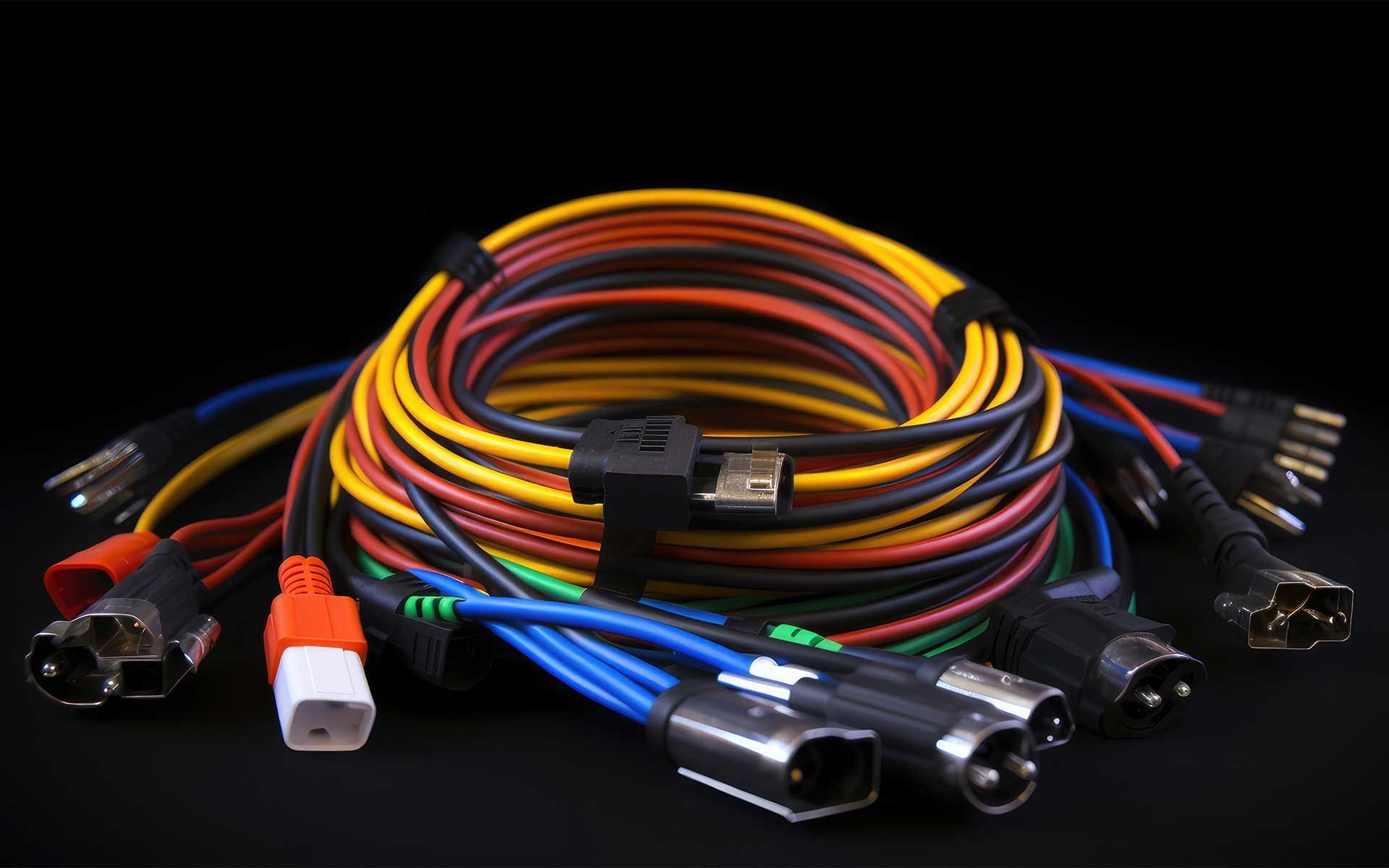
Custom cable manufacturing brings together electrical engineering, materials science, and precision engineering. It involves multiple stages such as conductor selection, insulation design, shielding, jacketing, testing, and compliance verification. Each cable is engineered to handle particular conditions such as electromagnetic interference, vibration, chemical exposure, or high-voltage systems.
Why Custom Cable Manufacturing Matters
Custom cables play a major role in supporting modern infrastructure and technology. Their importance continues to grow as industries rely more on data-driven electronics, automation systems, and high-performance machinery.
Key reasons this topic matters today:
-
Reliability and safety
Many environments—laboratories, power systems, industrial machinery—require wiring with strict performance and safety parameters. A standard cable may not provide the stability, conductivity, or insulation needed for continuous operation. -
Specialized operational conditions
Environments such as oil rigs, renewable energy stations, aviation systems, and medical devices require wiring solutions built to withstand voltage fluctuations, moisture, chemical exposure, or movement. -
Support for advanced technologies
Fields such as robotics, AI-integrated systems, and smart sensors demand cables that enable precise data transfer, EMI protection, and stable power distribution. -
Improved quality control standards
As global industries adopt higher standards for electrical performance, durability, and compliance, customized cabling offers better control over material selection and testing.
Who it affects:
-
Engineers designing high-performance equipment
-
Manufacturers developing machinery with specialized electrical needs
-
Technicians responsible for safe and reliable installations
-
Research facilities working with high-precision instruments
-
Industries requiring long-term, stable connectivity in critical environments
Custom cable solutions help address common problems such as electrical noise, overheating, voltage instability, space limitations, and mechanical wear. This ensures safer operations, fewer system failures, and better performance accuracy.
Recent Updates and Trends
Custom cable manufacturing has seen several updates over the past year due to shifts in technology and global manufacturing patterns.
Key developments:
-
Growth of IoT-Ready Cable Designs
As industrial and household devices continue to connect via IoT networks, manufacturers are focusing on cables that support high-speed data communication and low-loss signal transfer. -
Increased Demand for Hybrid Cables
Hybrid cables combining power and signal capabilities have become more common in automation, drones, and renewable energy systems because they reduce space usage and simplify system architecture. -
Advancements in High-Temperature Insulation Materials
New insulation compounds rolled out in early 2025 support temperatures above 200°C, useful for motors, turbines, aerospace systems, and industrial furnaces. -
Sustainability-Focused Materials
Many manufacturers have introduced eco-friendly insulation and jacketing materials that align with sustainability initiatives and industry expectations. -
Digital Testing and Quality Control
Automated testing tools and AI-supported inspection systems help verify electrical integrity, ensuring each cable meets international performance standards.
Laws, Policies, and Compliance Factors
Custom cable manufacturing operates under strict rules because it deals with electrical safety, fire prevention, and environmental protection. Regulations vary from country to country but often share similar safety expectations.
Below is a general overview of frameworks that influence custom cable design:
Common global and regional standards:
| Standard / Regulation | Focus Area |
|---|---|
| ISO/IEC standards | Electrical performance, testing procedures, insulation quality |
| RoHS guidelines | Restrictions on hazardous materials in cable components |
| REACH regulation | Chemical safety for materials used in insulation and jacketing |
| UL and CE certifications | Electrical safety and compliance for multiple industries |
| National Electrical Codes | Guidelines for installation, fire resistance, and permissible materials |
Government and policy influences:
-
Environmental regulations affect the selection of plasticizers, insulation materials, and chemical components.
-
Safety standards guide flame-retardant requirements and voltage handling capabilities.
-
Infrastructure and industrial development programs often influence demand for specialized cabling in transportation, renewable energy, and manufacturing sectors.
These laws ensure that cables operate safely in both commercial and industrial environments while meeting environmental and performance requirements.
Tools and Resources
Several tools, websites, and reference platforms help engineers, students, and technicians understand or work with custom cable manufacturing. These resources are not promotional but educational.
Technical reference and standards
-
IEC Standards Databases
-
ISO Technical Committees (Electrical Engineering)
-
UL Standards Library
Design and engineering tools
-
Cable configuration software
-
Wire gauge calculators
-
Voltage drop calculators
-
Material selection guides
-
EMI shielding design references
Learning and documentation platforms
-
Electrical engineering handbooks
-
Materials science research portals
-
Online wiring charts and insulation comparison tables
-
Technical drawing templates for cable layouts
These tools help users evaluate conductor sizes, insulation grades, allowable current levels, EMI shielding choices, and temperature ratings.
Frequently Asked Questions
What makes a cable “custom”?
A cable becomes custom when it is designed for specific mechanical, environmental, or electrical needs that standard cables cannot meet. This may involve unique conductor materials, insulation types, shielding formats, or dimensions.
How does shielding impact cable performance?
Shielding protects signals from electromagnetic interference. This is important in environments with motors, sensors, or high-frequency equipment where stable data transmission is required.
Why are insulation materials important?
Insulation affects temperature tolerance, chemical resistance, flexibility, and electrical safety. Different applications—such as robotics, automotive systems, or medical devices—need specialized insulation to ensure durability and reliability.
What industries use customized cables the most?
Industries with complex electrical requirements such as aerospace engineering, renewable energy, industrial automation, transportation systems, and high-precision laboratory equipment rely heavily on customized cable designs.
How is quality measured in custom cable manufacturing?
Quality is evaluated through mechanical tests, electrical resistance measurements, fire-resistance tests, high-voltage verification, and compliance with international standards. Advanced testing ensures reliability and stable performance.
Conclusion
Custom cable manufacturing remains an essential part of modern technology and infrastructure. As industries continue to adopt smart manufacturing, IoT networks, high-voltage systems, and advanced automation, the need for specialized wiring continues to rise. Custom cables help support safe operations, reliable signal transmission, and long-term performance in environments where standard cables cannot meet required specifications.
With ongoing innovations in materials, insulation technology, digital testing, and international compliance standards, the field continues to evolve. Whether used in robotics, renewable energy, transportation, or electrical engineering applications, custom cables play a foundational role in connecting modern systems and supporting the tools and technologies that drive today's industries.