Explore Electric Car Innovation: Basics, Insights, and Key Information
Electric car innovation refers to the ongoing development of vehicles powered primarily by electricity rather than conventional fuels. These vehicles rely on electric motors, rechargeable battery systems, and digital control technologies to operate. The topic exists because transportation has long depended on finite energy resources and mechanical systems that generate emissions, noise, and inefficiencies. Electric mobility emerged to address these structural limitations by combining advances in battery chemistry, power electronics, and software-driven vehicle management. Over time, electric cars have evolved from experimental concepts into practical, everyday transportation options supported by expanding infrastructure and research ecosystems.
Importance
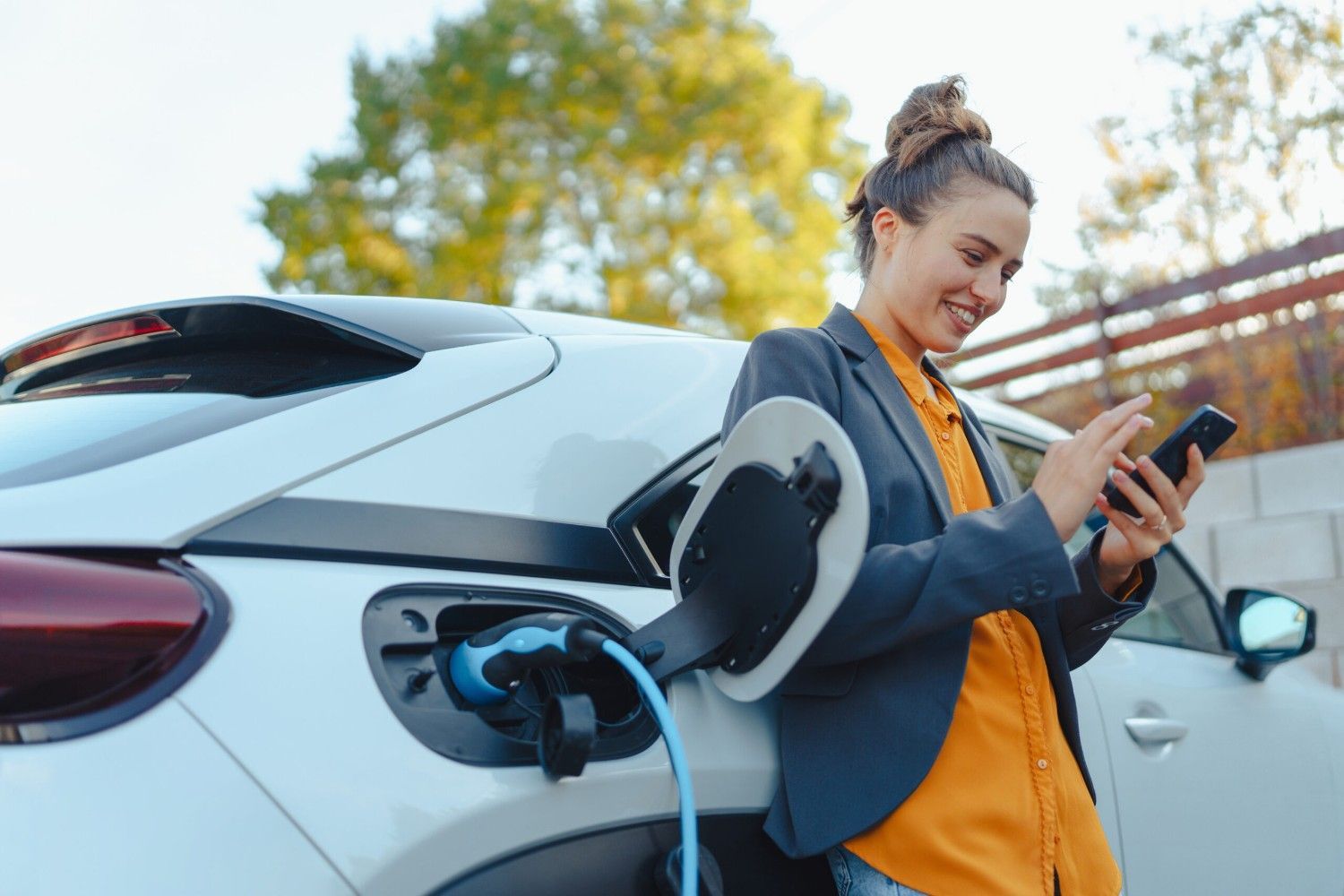
Electric car innovation matters today because transportation affects energy use, urban planning, and environmental quality at a global scale. This field influences commuters, manufacturers, policymakers, utility providers, and researchers. It helps solve multiple challenges at once, including reducing tailpipe emissions, improving energy efficiency, and lowering dependence on traditional fuels. Electric vehicles also introduce new possibilities such as quieter urban transport, smoother driving experiences, and integration with digital systems. For cities facing congestion and air quality concerns, electric mobility represents a technological pathway toward more sustainable transport networks without changing the fundamental purpose of personal and commercial vehicles.
Recent Updates
In the past year, electric car innovation has continued to focus on improving battery performance, charging speed, and software intelligence. Researchers and manufacturers have reported progress in solid-state battery prototypes, which aim to increase energy density and thermal stability. Charging technology has also advanced, with higher-capacity fast-charging stations being deployed along major transport corridors. Software updates delivered over the air have become more common, allowing vehicles to improve efficiency, navigation accuracy, and safety features without physical modifications. Global energy and transport organizations, including International Energy Agency, have highlighted steady growth in electric vehicle adoption and supporting infrastructure in their latest monitoring reports released earlier in the year.
Laws or Policies
Electric car innovation is shaped by regulatory frameworks and policy guidelines that focus on safety, efficiency, and environmental performance. Vehicle standards often define requirements for battery safety, electromagnetic compatibility, and crash protection. Emission and efficiency regulations indirectly encourage electric vehicle development by setting performance benchmarks that favor low-emission technologies. Public programs frequently support research collaboration, infrastructure planning, and standardization of charging connectors and communication protocols. While specific rules vary by region, the overall policy environment emphasizes long-term transition toward cleaner transportation systems through innovation and compliance-based incentives.
Tools and Resources
A wide range of tools and resources support understanding and development of electric car technology. These resources are used by consumers, engineers, educators, and planners to evaluate performance, plan infrastructure, and stay informed.
-
Battery performance simulators that estimate range under different driving conditions
-
Charging network maps that visualize station availability and connector types
-
Vehicle energy consumption calculators for comparing efficiency metrics
-
Educational platforms explaining electric drivetrain components and power flow
-
Industry reports and data dashboards tracking adoption trends and technology benchmarks
Example comparison table of core electric car components
| Component | Primary Function | Innovation Focus Area |
|---|---|---|
| Battery Pack | Stores electrical energy | Energy density and longevity |
| Electric Motor | Converts electricity to motion | Efficiency and torque control |
| Power Electronics | Manages energy flow | Thermal management |
| Software Systems | Optimizes performance and safety | Real-time data processing |
FAQs
What makes electric cars different from conventional vehicles?
Electric cars use electric motors powered by rechargeable batteries instead of internal combustion engines. This changes how energy is stored, converted, and managed within the vehicle.
How far can an electric car typically travel on a single charge?
Driving range varies depending on battery size, driving conditions, and efficiency. Technological improvements continue to extend average range and reduce variability.
Are electric cars suitable for long-distance travel?
With expanding charging infrastructure and improved battery systems, electric cars are increasingly capable of long-distance travel, especially along well-supported routes.
What role does software play in electric car innovation?
Software controls energy management, driving assistance, diagnostics, and updates. It allows continuous improvement of vehicle performance and user experience.
How does electric car innovation affect energy systems?
Electric vehicles interact with power grids by increasing electricity demand and enabling smart charging strategies, which can support grid stability when managed effectively.
Conclusion
Electric car innovation represents a significant shift in how mobility is designed and experienced. By combining advances in batteries, motors, electronics, and software, electric vehicles address long-standing challenges in transportation efficiency and environmental impact. Ongoing research, supportive policy frameworks, and accessible tools continue to refine this technology and broaden its relevance. As innovation progresses, electric cars are becoming an integral part of modern transport systems, offering a clear example of how engineering and digital intelligence can reshape everyday mobility.