Explore Nature Conservation Tours: A Complete Guide with Basics and Key Facts
Nature conservation tours are structured travel experiences designed to educate people about ecosystems, wildlife, biodiversity, and environmental protection. These tours combine learning, observation, and responsible interaction with natural environments. Their purpose is not recreation alone, but understanding how ecosystems function and how human actions affect nature.
These tours exist because natural habitats are under increasing pressure from deforestation, pollution, climate change, and urban expansion. Many ecosystems are fragile and require informed protection efforts. Nature conservation tours help bridge the gap between scientific knowledge and public awareness by turning complex environmental topics into real-world experiences.
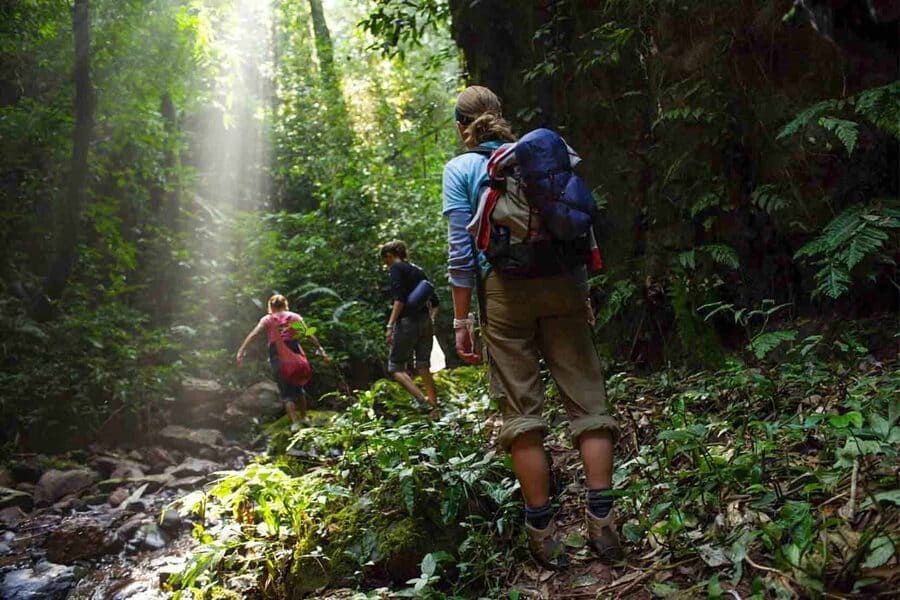
They usually focus on forests, wetlands, mountains, coastal areas, wildlife corridors, marine ecosystems, and protected reserves. Participants gain exposure to conservation science, sustainable tourism principles, and environmental ethics, making these tours an educational platform rather than entertainment-driven travel.
High-value keywords naturally connected to this topic include:
environmental sustainability, eco education, biodiversity conservation, wildlife protection, climate resilience, natural resource management, ecosystem preservation, sustainable travel education, environmental awareness programs, conservation learning experiences.
Importance: Why Nature Conservation Tours Matter Today
Nature conservation tours matter because environmental challenges are no longer distant problems. Climate change, habitat loss, species extinction, and water scarcity directly affect food systems, health, and economic stability. These tours help people understand these connections in practical ways.
They benefit multiple groups:
-
Students and researchers gain applied environmental knowledge
-
Local communities benefit from awareness and sustainable practices
-
Policy planners gain public support for conservation initiatives
-
General citizens develop ecological responsibility
They solve key problems such as:
-
Lack of environmental awareness
-
Disconnection between people and nature
-
Limited public understanding of biodiversity
-
Weak participation in conservation initiatives
Nature conservation tours create informed citizens who can support long-term environmental solutions. Instead of abstract data, people experience ecosystems directly, which strengthens environmental responsibility and ethical decision-making.
Recent Updates: Trends and Developments in Conservation Tourism
In the past year, conservation-focused travel has shifted toward education-driven models rather than sightseeing-based tourism. Learning-based environmental tours, digital conservation learning platforms, and community-centered conservation projects have expanded.
Key trends include:
-
Growth in digital conservation mapping tools
-
Increased use of remote ecosystem monitoring
-
Expansion of virtual conservation education
-
Integration of climate science education into tours
-
Focus on carbon footprint awareness programs
There has also been stronger emphasis on data-based ecosystem learning, where participants learn how biodiversity indexes, climate models, and habitat mapping systems work. Conservation education is becoming more structured and research-oriented rather than informal.
Laws or Policies: How Regulations Shape Conservation Tours
Nature conservation tours are guided by environmental protection laws, wildlife protection frameworks, biodiversity preservation regulations, and natural resource management policies. These rules ensure that ecosystems are not disturbed and wildlife habitats remain protected.
Common regulatory principles include:
-
Protected area access controls
-
Wildlife interaction restrictions
-
Ecosystem protection guidelines
-
Environmental impact regulations
-
Biodiversity conservation policies
These frameworks help balance environmental education with ecosystem safety. Conservation tours operate within strict guidelines to prevent ecological harm while promoting environmental learning.
Tools and Resources for Conservation Learning
Nature conservation education uses multiple tools and digital platforms to support understanding and awareness.
Useful digital tools and platforms include:
-
Biodiversity mapping platforms
-
Ecosystem monitoring dashboards
-
Wildlife tracking databases
-
Climate data visualization tools
-
Environmental education platforms
-
Conservation research portals
-
Carbon footprint analysis tools
-
Environmental policy libraries
Common learning resources:
-
Interactive conservation maps
-
Species identification databases
-
Habitat classification systems
-
Ecosystem simulation models
-
Environmental data repositories
These tools support structured learning and environmental literacy.
Data Table: Core Focus Areas in Nature Conservation Tours
| Focus Area | Learning Purpose | Environmental Impact |
|---|---|---|
| Biodiversity Conservation | Species protection knowledge | Ecosystem stability |
| Habitat Restoration | Ecosystem recovery understanding | Environmental resilience |
| Climate Science | Climate adaptation awareness | Climate mitigation |
| Wildlife Protection | Species survival education | Biodiversity balance |
| Natural Resource Management | Sustainable usage learning | Resource sustainability |
FAQs
What is the main goal of nature conservation tours?
The main goal is environmental education and awareness. These tours help people understand ecosystems, biodiversity, and environmental protection in real-world contexts.
Who can participate in conservation learning tours?
Students, researchers, educators, families, and general learners interested in environmental knowledge can participate. The focus is education, not tourism alone.
How do conservation tours protect ecosystems?
They follow strict environmental guidelines, limit ecological disturbance, and operate under conservation regulations that protect wildlife and habitats.
Do conservation tours support climate education?
Yes. Many programs include climate science, carbon cycle education, climate adaptation learning, and ecosystem resilience concepts.
Are these tours linked to biodiversity research?
Yes. Many conservation programs integrate biodiversity databases, habitat studies, and species monitoring systems for educational purposes.
Conclusion
Nature conservation tours are powerful educational platforms that connect people with ecosystems, science, and environmental responsibility. They exist to build ecological literacy, strengthen biodiversity understanding, and promote sustainable environmental behavior.
By combining structured learning, digital tools, scientific knowledge, and ecosystem exposure, these tours help people understand the complexity of nature and the importance of conservation. They contribute to long-term environmental awareness, ecosystem protection, and climate resilience by transforming information into real-world understanding.
Nature conservation tours are not just learning experiences—they are pathways to building a more informed, environmentally responsible society.