Green Office Furniture Explained: Learn Sustainable Basics, Practical Tips, and Expert Advice
Green office furniture refers to desks, chairs, storage units, and workstations designed with environmental responsibility in mind. It focuses on reducing environmental impact through sustainable materials, responsible manufacturing, energy-efficient production, and long product life cycles.
As sustainability becomes a central part of corporate governance and workplace strategy, green office furniture has evolved from a niche concept into a mainstream component of sustainable office design. Businesses, educational institutions, and government agencies increasingly integrate eco-conscious furniture into broader environmental, social, and governance (ESG compliance) frameworks.
This article explains what green office furniture is, why it matters today, how recent developments are shaping the industry, the regulatory environment that affects it, and the tools available for informed decision-making.
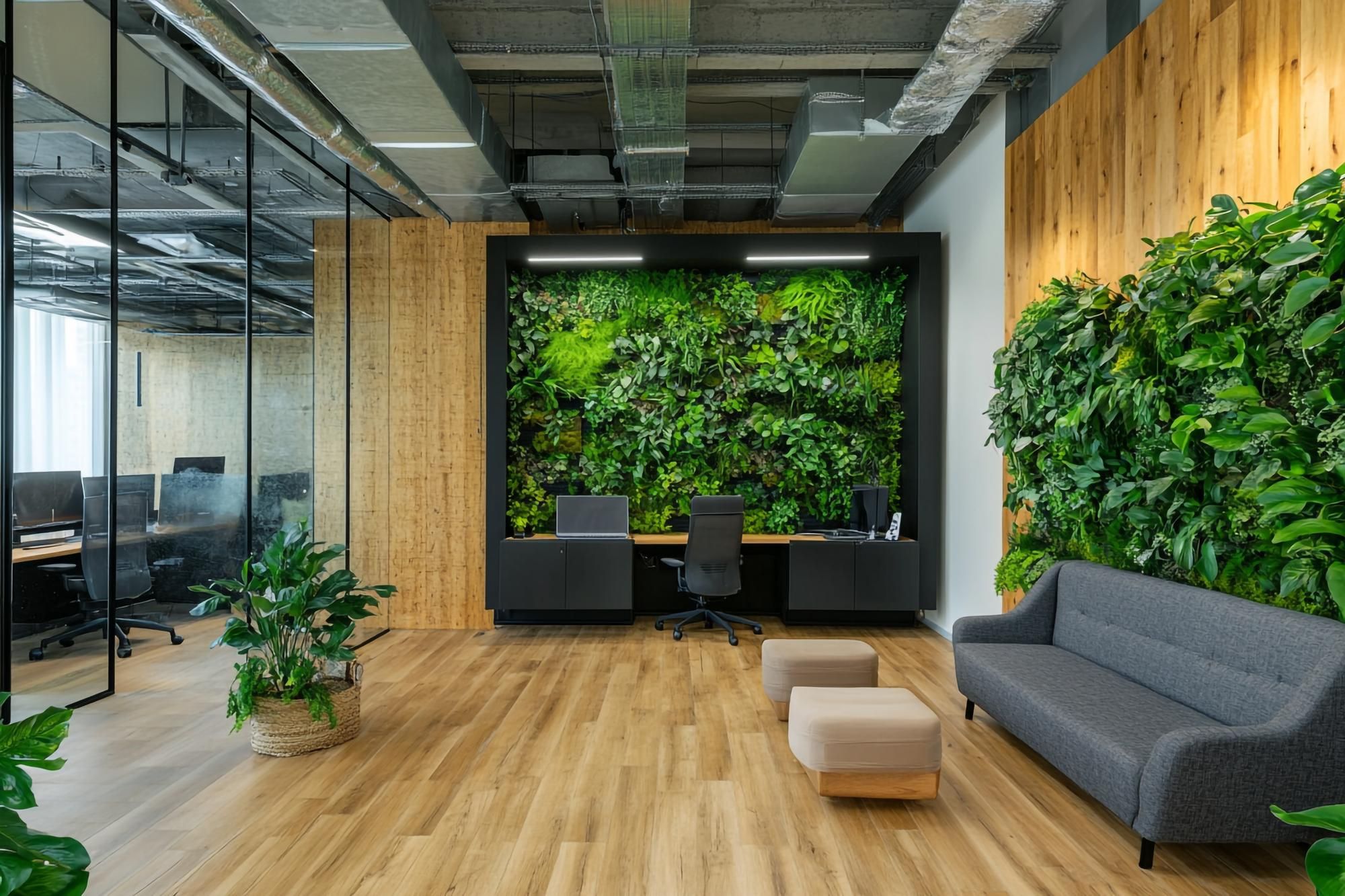
What Is Green Office Furniture and Why It Exists
Green office furniture is designed to minimize environmental harm throughout its lifecycle. This includes:
-
Use of recycled or responsibly sourced materials
-
Low volatile organic compound (VOC) emissions
-
Energy-efficient manufacturing processes
-
Durability and modular design for extended use
-
Recyclability at end of life
Traditional office furniture often relies on virgin plastics, treated wood, and chemical finishes that may release pollutants. As concerns about indoor air quality, climate change, and waste management increased over the past two decades, manufacturers began adopting sustainable production models.
The concept is closely tied to sustainable office design, circular economy principles, and green building certification systems. Organizations seeking environmentally responsible operations now evaluate furniture alongside energy use, lighting systems, and building materials.
Why Green Office Furniture Matters Today
Green office furniture plays an important role in modern workplaces for environmental, health, and regulatory reasons.
Environmental impact reduction
Office furniture manufacturing contributes to carbon emissions, deforestation, and landfill waste. Sustainable materials such as FSC-certified wood, recycled aluminum, and reclaimed plastics reduce resource extraction. Durable designs also limit replacement cycles.
Indoor air quality and employee wellbeing
Low-emission furniture helps reduce VOC exposure. Poor indoor air quality has been associated with headaches, fatigue, and reduced productivity. Eco-friendly workspaces aim to improve environmental performance while supporting occupational health standards.
Corporate sustainability reporting
Many organizations now publish ESG reports. Furniture sourcing decisions contribute to measurable sustainability metrics such as:
-
Scope 3 emissions
-
Waste diversion rates
-
Sustainable procurement goals
The following table compares conventional and green office furniture characteristics:
| Feature | Conventional Furniture | Green Office Furniture |
|---|---|---|
| Material Source | Virgin materials | Recycled or certified materials |
| Chemical Emissions | Higher VOC levels | Low or zero VOC finishes |
| Product Lifespan | Moderate | Extended, modular design |
| Disposal | Landfill common | Recyclable or reusable |
| ESG Alignment | Limited | Supports sustainability reporting |
Green furniture affects facility managers, HR departments, sustainability officers, architects, and policymakers. It addresses challenges such as regulatory compliance, environmental risk reduction, and long-term asset management.
Recent Trends and Developments
The past year has seen notable developments in sustainable workplace strategies.
In 2024, corporate sustainability reporting requirements expanded in several regions. The European Union’s Corporate Sustainability Reporting Directive (CSRD), which began phased implementation in 2024, increased transparency requirements for environmental disclosures. This indirectly impacts furniture sourcing decisions because companies must document supply chain emissions and material sourcing practices.
Hybrid workplace models continue influencing office redesign in 2025. Flexible workstations, modular layouts, and space optimization have increased demand for adaptable and durable furniture systems.
Material innovation has accelerated. In late 2024, several manufacturers introduced bio-based composites derived from agricultural waste and plant fibers. These alternatives aim to reduce dependence on petroleum-based plastics.
Carbon footprint tracking tools have also become more common. Manufacturers increasingly provide Environmental Product Declarations (EPDs), which detail lifecycle environmental impact metrics such as:
-
Global warming potential
-
Water consumption
-
Resource depletion
Laws and Policies Influencing Green Office Furniture
Government policies significantly influence sustainable furniture practices.
In the United States, federal agencies follow procurement guidelines under programs linked to the U.S. Environmental Protection Agency (EPA). The Comprehensive Procurement Guidelines (CPG) program encourages the use of products made with recovered materials.
The General Services Administration (GSA) integrates sustainability requirements into federal facility procurement. This includes preference for furniture meeting recognized environmental standards.
State-level policies also matter. For example, California’s indoor air quality standards affect acceptable emission levels for office furnishings in public buildings.
In the European Union, sustainability policies align with broader environmental frameworks such as:
-
The European Green Deal
-
EU Taxonomy for Sustainable Activities
-
Corporate Sustainability Reporting Directive (CSRD)
These frameworks influence how companies document environmental performance and assess supply chains.
Green building certifications also shape furniture selection. Organizations pursuing LEED certification (Leadership in Energy and Environmental Design), developed by the U.S. Green Building Council (USGBC), can earn points for low-emission materials and sustainable sourcing.
Similarly, WELL Building Standard certification emphasizes occupant health, including indoor air quality considerations that affect furniture materials.
Compliance requirements differ by country, but sustainable procurement standards increasingly intersect with environmental regulation and ESG disclosure frameworks.
Tools and Resources for Sustainable Office Planning
Several tools help organizations evaluate green office furniture options and environmental impact.
Environmental Product Declarations (EPDs)
EPDs provide standardized data on product lifecycle environmental impact. They are often used in sustainable construction documentation and carbon footprint analysis.
Life Cycle Assessment (LCA) Software
LCA tools calculate environmental impact across production, transportation, usage, and disposal phases. Examples include professional sustainability modeling software used by architects and environmental consultants.
Carbon Accounting Platforms
Corporate carbon accounting systems integrate supply chain data, including furniture procurement. These platforms help track Scope 3 emissions for ESG reporting.
Green Building Certification Frameworks
-
LEED (USGBC)
-
WELL Building Standard
-
BREEAM (Building Research Establishment Environmental Assessment Method)
These systems provide structured guidelines for sustainable material selection.
Sustainable Procurement Policies
Many governments publish procurement templates that outline environmental criteria. Organizations can adapt these templates to create internal sustainability guidelines.
Material Certification Labels
Common certifications include:
-
FSC (Forest Stewardship Council) for wood
-
GREENGUARD for low chemical emissions
-
Cradle to Cradle Certified for circular product design
Using these tools supports evidence-based decision-making rather than marketing claims.
Frequently Asked Questions
1. What makes office furniture environmentally sustainable?
Environmentally sustainable furniture typically uses recycled or responsibly sourced materials, low-emission finishes, durable construction, and recyclable components. It also considers environmental impact during manufacturing and disposal.
2. Does green office furniture improve indoor air quality?
Furniture with low VOC emissions can contribute to improved indoor air quality. Certifications such as GREENGUARD indicate compliance with emission standards designed to reduce indoor pollutants.
3. Is sustainable office furniture more durable?
Many green designs prioritize modular construction and repairability. This can extend product lifespan and reduce replacement frequency, although durability varies by manufacturer and materials used.
4. How does green furniture relate to ESG compliance?
Sustainable furniture contributes to ESG metrics by reducing supply chain emissions, supporting responsible sourcing, and improving environmental reporting transparency. It can be part of broader corporate sustainability strategies.
5. Are there specific regulations that require sustainable furniture?
Regulations vary by country. Some public procurement policies require environmentally preferable products. In other cases, sustainability reporting laws indirectly influence furniture selection through supply chain disclosure requirements.
Conclusion
Green office furniture represents an intersection of environmental responsibility, workplace health, and corporate governance. It exists to reduce ecological impact while supporting modern sustainability frameworks.
As environmental reporting standards expand and hybrid workplace models evolve, organizations are paying closer attention to lifecycle impact, carbon footprint analysis, and responsible sourcing. Government procurement policies and certification systems further shape sustainable office planning decisions.
Understanding materials, certifications, regulatory context, and lifecycle data enables informed decision-making. Green office furniture is not a standalone solution but part of a broader strategy for sustainable workplace design and environmental compliance.
By approaching furniture selection through measurable sustainability criteria rather than trends, organizations can align workspace design with long-term environmental and operational objectives.