Pearl Chokers: Explore Guide, Tips, Insights, Advice, and Helpful Suggestions
Pearl chokers are a type of necklace designed to sit closely around the neck, typically made with natural pearls or cultured pearls arranged in a short strand. The choker length usually ranges between 14 and 16 inches, allowing the pearls to rest neatly at the base of the neck. This jewelry style combines the elegance of pearls with the structured look of a choker necklace, creating a distinctive accessory in the world of luxury jewelry fashion.
Historically, pearl jewelry has been associated with refinement, cultural symbolism, and ceremonial attire. Over time, the choker format emerged as a popular necklace style in many fashion eras. When pearls were incorporated into this shorter necklace design, the result was a sophisticated piece that could be worn with both traditional and modern outfits.
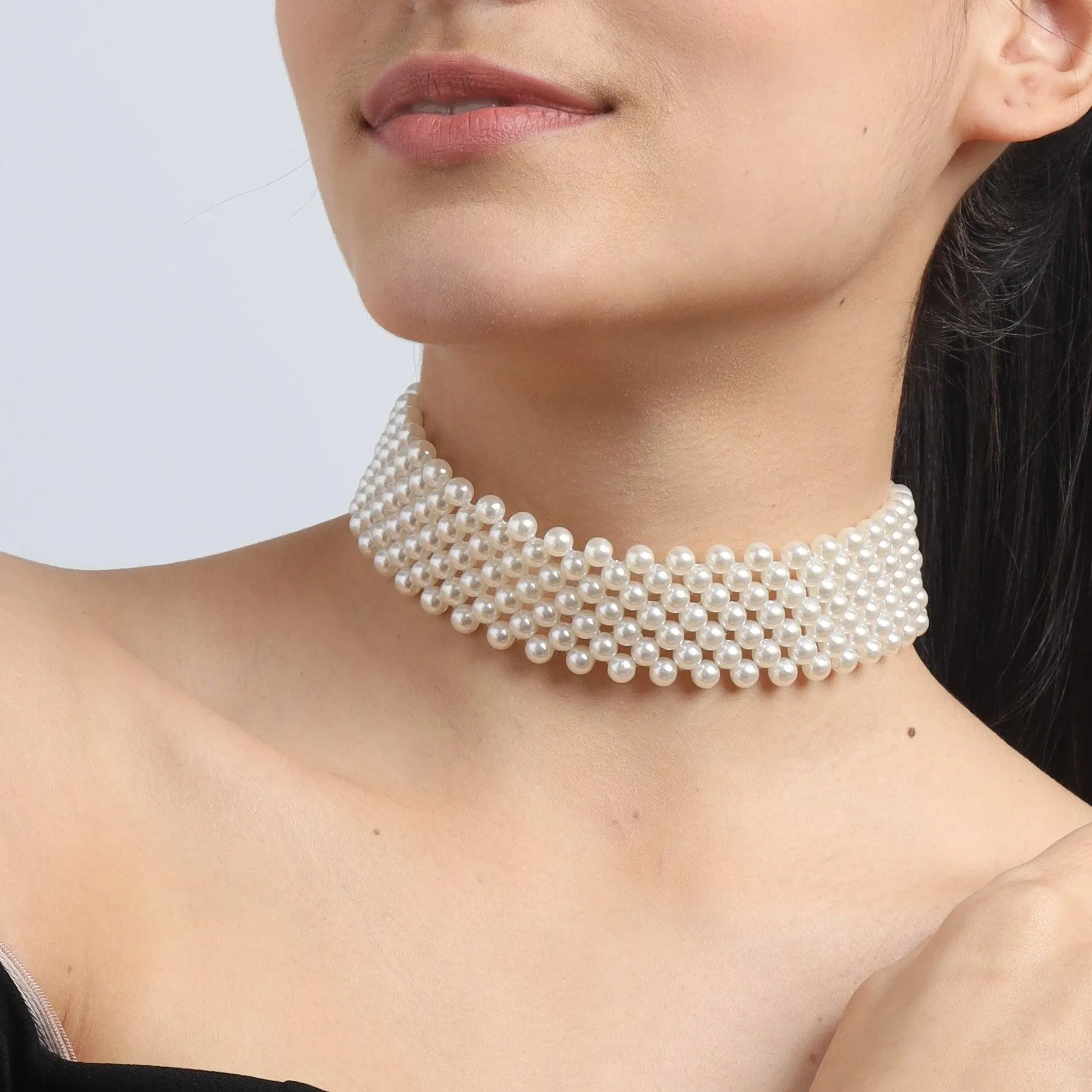
The topic of pearl chokers exists largely because jewelry design evolves continuously. Fashion designers, jewelry historians, and style enthusiasts study how different necklace styles influence personal style and cultural expression. Pearl chokers represent an intersection between heritage jewelry craftsmanship and contemporary fashion trends.
In fashion education and jewelry design studies, pearl chokers are often discussed as an example of how classic materials can adapt to modern styling preferences. They appear frequently in discussions related to luxury jewelry trends, pearl necklace styling, gemstone jewelry knowledge, and jewelry fashion insights.
Pearls themselves are unique among gemstones because they form organically within mollusks rather than being mined from the earth. This biological origin contributes to their enduring fascination in jewelry design. When arranged in a choker style, pearls create a balanced visual structure that highlights the neckline while maintaining a minimalist appearance.
Why Pearl Chokers Remain Important in Jewelry and Fashion
Pearl chokers continue to hold relevance because they bridge the gap between tradition and evolving fashion aesthetics. In many style discussions, they are considered a timeless accessory that adapts easily to changing clothing trends.
One reason the topic matters is the growing interest in sustainable jewelry materials and ethical pearl cultivation. As consumers and designers focus more on responsible sourcing, pearls—particularly cultured pearls—are often examined within discussions about environmentally conscious jewelry production.
Pearl chokers also influence several areas within the fashion ecosystem:
-
Jewelry design education
-
Luxury fashion styling
-
Cultural fashion studies
-
Gemstone and pearl knowledge
-
Accessory trend forecasting
For individuals interested in fashion styling, pearl chokers offer a versatile accessory that works with multiple outfit categories. They can complement formal clothing, vintage-inspired fashion, minimalist wardrobes, and contemporary evening wear.
From a broader perspective, pearl chokers help illustrate how jewelry pieces contribute to personal identity and cultural expression. In many societies, pearls have symbolized elegance, tradition, or celebration. When incorporated into a choker necklace, these symbolic qualities remain while gaining a modern visual interpretation.
Another important aspect is the role pearl chokers play in the digital fashion landscape. Jewelry trends are now influenced by online fashion platforms, editorial publications, and social media styling guides. As a result, pearl chokers frequently appear in discussions related to fashion accessories trends, pearl jewelry guides, and modern jewelry styling insights.
Recent Developments and Emerging Trends in Pearl Chokers
Fashion trends surrounding pearl chokers have evolved alongside broader jewelry design innovations. Designers and stylists have introduced new interpretations of the traditional pearl choker, combining classic pearls with contemporary materials and design techniques.
One notable trend is the integration of mixed materials. Many designers experiment with combinations such as pearls paired with metals, gemstones, or minimalist chains. This approach creates a layered aesthetic while preserving the classic beauty of pearls.
Another development involves the increased focus on pearl variety. Instead of using only traditional white pearls, designers are incorporating:
-
Baroque pearls with irregular shapes
-
Freshwater pearls with subtle color tones
-
Black or dark pearls for contrast
-
Soft pastel pearls for modern aesthetics
The table below illustrates common pearl varieties used in choker designs.
| Pearl Type | Appearance Characteristics | Design Influence |
|---|---|---|
| Freshwater Pearls | Soft luster, varied shapes | Modern minimalist chokers |
| Akoya Pearls | High luster, round shape | Classic pearl jewelry |
| Tahitian Pearls | Dark tones with iridescence | Contemporary statement chokers |
| Baroque Pearls | Irregular organic shapes | Artistic jewelry designs |
Another trend is the growing interest in custom jewelry design tools and digital styling platforms. These tools allow designers and enthusiasts to visualize different pearl arrangements before creating a final piece.
Fashion researchers also observe a renewed appreciation for vintage jewelry aesthetics. Pearl chokers frequently appear in editorial features exploring historical fashion influences, demonstrating how classic accessories can inspire modern collections.
The following simplified trend comparison illustrates the shift in pearl choker styling.
| Style Era | Design Focus |
|---|---|
| Classic Jewelry Styling | Symmetrical pearl strands |
| Vintage Revival Styling | Layered pearl chokers |
| Contemporary Fashion Styling | Mixed-material pearl chokers |
| Minimalist Jewelry Trends | Single-strand pearl chokers |
These developments show how pearl chokers continue to evolve while maintaining their connection to traditional jewelry craftsmanship.
Regulations and Ethical Considerations in Pearl Jewelry
Although pearl chokers are primarily fashion accessories, the pearls used in these designs are part of a broader jewelry industry that operates under various international standards and regulatory guidelines.
Jewelry markets typically follow rules related to gemstone identification, labeling accuracy, and consumer transparency. These guidelines help ensure that pearls used in jewelry pieces are properly described as natural pearls, cultured pearls, or imitation pearls.
Organizations involved in gemstone research and jewelry certification often provide standardized terminology and grading systems. These standards help maintain consistency within the global jewelry industry and support educational efforts in gemology and pearl classification.
Another policy-related area involves environmental considerations. Sustainable aquaculture practices are increasingly emphasized in pearl cultivation. Responsible pearl farming focuses on protecting marine ecosystems while supporting long-term pearl production.
Common regulatory themes related to pearl jewelry include:
-
Accurate gemstone and pearl labeling
-
Ethical sourcing transparency
-
Environmental protection in pearl aquaculture
-
Standardized gemological grading systems
These guidelines help maintain trust within the jewelry market and provide educational frameworks for jewelry professionals, designers, and researchers.
Helpful Tools and Resources for Learning About Pearl Jewelry
People interested in pearl chokers often explore educational tools and digital resources that explain pearl identification, jewelry styling, and gemstone characteristics. These resources support learning in areas such as gemology, jewelry design, and fashion accessories.
Useful tools and platforms include:
Pearl Identification Guides
Educational guides explaining pearl luster, shape, and surface quality. These resources help readers understand how pearls differ from other gemstones.
Jewelry Design Software
Digital tools used by designers to visualize necklace arrangements, gemstone placements, and jewelry proportions.
Gemstone Databases
Online databases containing detailed information about gemstones, pearls, and jewelry materials.
Fashion Trend Analysis Platforms
Websites and digital publications that track jewelry trends, runway styling, and accessory design insights.
Jewelry Measurement Calculators
Tools used to estimate necklace lengths and proportions for different jewelry styles, including chokers.
The following table outlines several categories of resources.
| Resource Category | Purpose |
|---|---|
| Gemology Education Platforms | Learn gemstone and pearl classification |
| Jewelry Design Software | Visualize necklace designs |
| Fashion Research Websites | Track accessory trends |
| Jewelry Measurement Tools | Understand necklace proportions |
These tools support a deeper understanding of pearl chokers while helping readers explore broader topics in jewelry knowledge and fashion design.
Frequently Asked Questions About Pearl Chokers
What defines a pearl choker necklace?
A pearl choker necklace is a short necklace that fits closely around the neck, typically measuring between 14 and 16 inches. The necklace is composed of pearls arranged in a strand or structured design.
Are pearl chokers considered classic or modern jewelry?
Pearl chokers combine both classic and modern elements. Pearls have long been associated with traditional jewelry, while the choker style allows designers to reinterpret pearls in contemporary fashion contexts.
What types of pearls are commonly used in chokers?
Several pearl types appear in choker designs, including freshwater pearls, Akoya pearls, Tahitian pearls, and baroque pearls. Each type offers different shapes, colors, and luster qualities.
How do pearl chokers differ from standard pearl necklaces?
The main difference lies in length. Pearl chokers sit closely around the neck, while standard pearl necklaces are longer and typically rest lower on the chest.
Why are pearls significant in jewelry design?
Pearls are unique because they form naturally within mollusks and possess a distinctive luster. Their organic origin and timeless appearance make them a widely studied gemstone in jewelry design and gemology.
Conclusion
Pearl chokers represent a distinctive jewelry style that blends the elegance of pearls with the structured look of a choker necklace. Their history reflects centuries of jewelry craftsmanship, while modern interpretations demonstrate how classic materials continue to evolve within contemporary fashion.
The continued interest in pearl chokers highlights several broader themes within jewelry and fashion studies, including sustainable pearl cultivation, gemstone education, and evolving accessory trends. As designers experiment with new pearl varieties and mixed materials, the pearl choker remains an example of how tradition and innovation can coexist in jewelry design.