Surge Arresters Overview: Learn Basics, Facts, and Essential Information
Surge arresters play a critical role in modern electrical infrastructure. From residential wiring to industrial substations, they help manage unexpected voltage spikes that can damage equipment and disrupt operations. This guide explains the fundamentals, importance, regulatory considerations, tools, and frequently asked questions related to surge arresters in a clear and educational format.
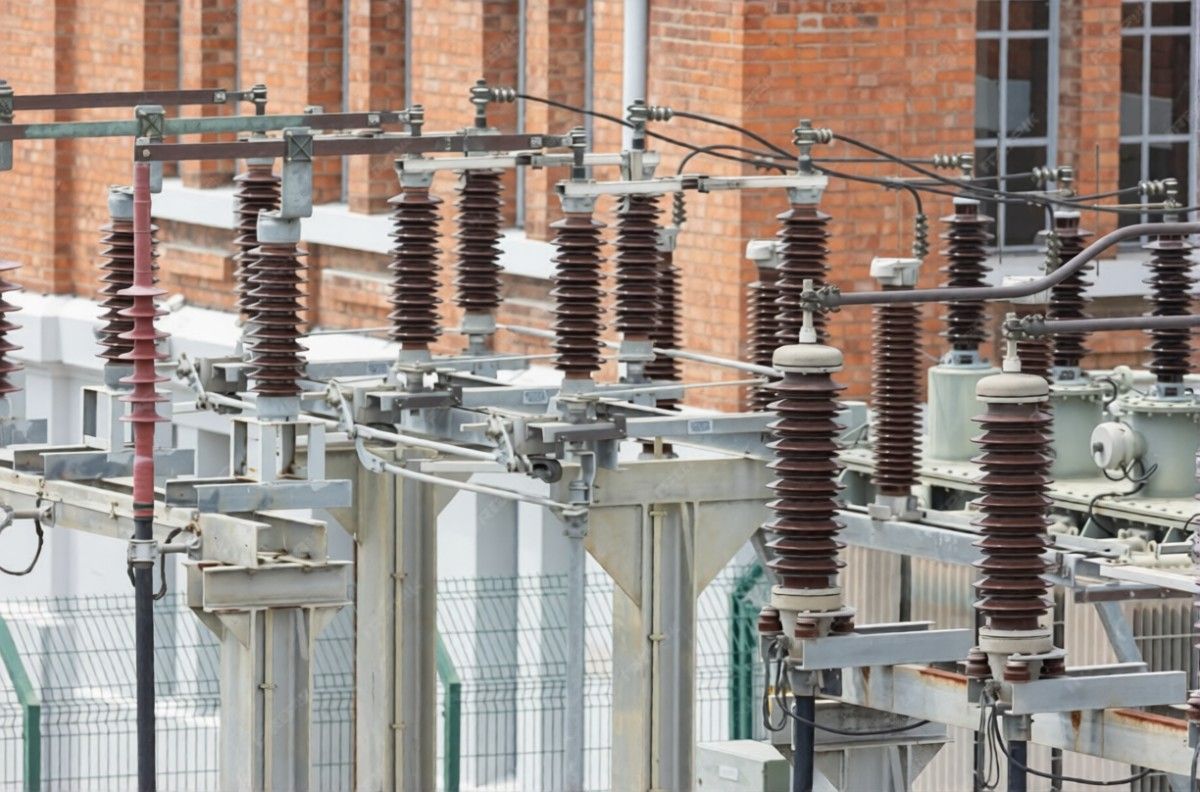
A surge arrester is a protective electrical device designed to safeguard equipment from transient overvoltages. These voltage spikes may occur due to lightning strikes, switching operations in power grids, or sudden changes in electrical loads.
Unlike standard circuit breakers, which interrupt excessive current flow, surge arresters specifically limit high-voltage surges by diverting excess energy safely to the ground. They act quickly and return to a non-conducting state once the surge has passed.
In technical terms, surge arresters are part of a broader lightning protection system and electrical insulation coordination strategy. They are commonly installed in:
-
Power transmission and distribution networks
-
Industrial facilities
-
Renewable energy installations
-
Commercial buildings
-
Residential panels
Modern surge arresters often use metal oxide varistors (MOVs), particularly zinc oxide elements, to absorb and clamp voltage spikes without requiring spark gaps. This technology has significantly improved response time and reliability.
Importance: Why Surge Arresters Matter Today
As digital infrastructure expands, sensitive electronic equipment is more vulnerable to transient overvoltage protection challenges. Voltage spikes, even if brief, can:
-
Damage transformers and switchgear
-
Reduce the lifespan of electronic components
-
Interrupt data centers and communication networks
-
Affect renewable energy systems like solar inverters
-
Cause safety hazards in industrial environments
Below is a simplified table showing common sources of voltage surges and their potential impact:
| Source of Surge | Typical Cause | Possible Impact |
|---|---|---|
| Lightning Strike | Direct or nearby lightning event | Severe equipment damage |
| Switching Operations | Grid reconfiguration or fault clearing | Insulation stress |
| Power Restoration | After outages | Sudden voltage spikes |
| Large Motor Startup | Industrial machinery activation | Temporary overvoltage stress |
With the increasing integration of renewable energy systems, smart grids, and electric vehicle charging infrastructure, surge protection devices are becoming even more essential.
Electrical safety standards emphasize the importance of proper voltage spike protection to prevent cascading failures in interconnected networks. Industries such as healthcare, telecommunications, and manufacturing rely heavily on stable power systems, making surge arresters a foundational element of power system safety.
Recent Updates and Industry Trends
In the past year, the surge protection industry has experienced several notable developments:
-
Grid modernization projects have increased demand for high-performance surge arresters compatible with smart grid systems.
-
Advancements in polymer-housed surge arresters have improved durability in harsh environmental conditions.
-
Renewable energy integration, especially rooftop solar installations, has increased the use of low-voltage surge protection systems.
-
Enhanced diagnostic tools now allow condition monitoring of surge arresters to predict maintenance needs.
Research and development efforts continue to focus on improving energy absorption capacity, environmental resilience, and long-term reliability. Monitoring sensors embedded in modern arresters help utilities track performance data in real time.
Laws and Policies Affecting Surge Arresters
Surge arresters are governed by electrical safety standards and building regulations rather than isolated policies. International and regional standards organizations provide guidelines for testing, installation, and performance requirements.
Common regulatory influences include:
-
Electrical installation codes that define mandatory surge protection in certain building types
-
Grid reliability standards requiring protection in substations
-
Renewable energy connection guidelines specifying surge protection integration
-
Industrial safety regulations addressing equipment protection and grounding
Compliance ensures that surge arresters meet insulation coordination requirements and operate within defined voltage ratings. Inspection authorities often require certified surge protection devices that adhere to recognized standards such as IEC or IEEE frameworks.
Government infrastructure programs that support grid modernization and renewable energy expansion indirectly influence the demand and technical requirements for surge arresters.
Tools and Resources for Understanding Surge Arresters
Several tools and resources can help individuals and professionals better understand surge protection systems:
-
Electrical load calculators for estimating surge risk
-
Insulation coordination design software
-
Power quality analyzers to monitor transient events
-
Utility grid monitoring dashboards
-
Technical standards documentation from recognized electrical bodies
-
Educational engineering platforms offering power system courses
Below is a simplified comparison table of common surge arrester types:
| Type of Surge Arrester | Typical Application | Key Feature |
|---|---|---|
| Station Class | High-voltage substations | High energy handling capacity |
| Intermediate Class | Distribution systems | Balanced protection level |
| Distribution Class | Utility poles and feeders | Compact and reliable |
| Low-Voltage SPD | Residential and commercial | Protects sensitive electronics |
Understanding these categories supports informed decisions when designing or evaluating electrical protection systems.
Frequently Asked Questions
What is the main function of a surge arrester?
A surge arrester limits transient overvoltages by diverting excess electrical energy to the ground. It protects electrical equipment from insulation damage and voltage spikes.
How is a surge arrester different from a lightning rod?
A lightning rod protects structures from direct lightning strikes by channeling energy safely to the ground. A surge arrester protects electrical systems from overvoltage caused by lightning or switching events.
Where are surge arresters typically installed?
They are installed at substations, distribution transformers, renewable energy systems, industrial facilities, and building electrical panels to ensure comprehensive surge protection.
Do surge arresters require maintenance?
Modern metal oxide surge arresters are designed for long operational life. However, periodic inspection and monitoring are recommended, especially in high-risk environments.
Can surge arresters protect against all power disturbances?
They are specifically designed to handle transient overvoltages. They do not correct sustained overvoltage, undervoltage, or frequency fluctuations. Additional protective equipment may be required for those conditions.
Conclusion
Surge arresters are fundamental components of modern electrical infrastructure. They safeguard equipment from transient overvoltage events caused by lightning, switching operations, and system disturbances. As power systems become more complex with the integration of renewable energy and digital technologies, effective electrical surge protection becomes increasingly important.
By understanding their working principles, regulatory frameworks, and available technical resources, individuals and organizations can better appreciate the role surge arresters play in ensuring power system safety. Proper implementation supports reliability, protects infrastructure, and strengthens the resilience of electrical networks in a rapidly evolving energy landscape.