Telehandlers Overview: Explore Basics, Features, and Essential Knowledge Guide
A telehandler, also known as a telescopic handler, is a type of heavy equipment designed to lift, move, and place materials at various heights and distances. It combines features of a forklift and a crane, using a telescopic boom that can extend forward and upward.
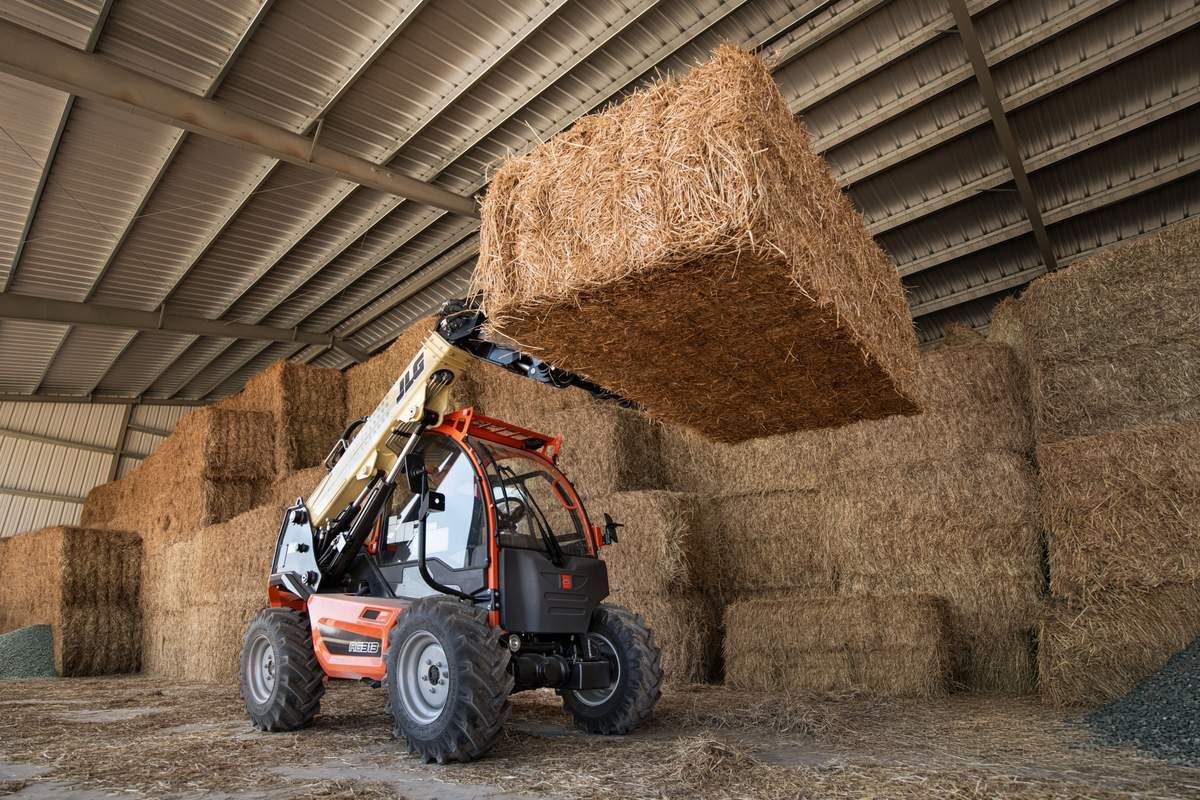
Telehandlers were developed to address limitations found in traditional forklifts. Standard forklifts are effective for lifting materials vertically but struggle with uneven terrain and long-reach applications. Construction and agricultural sites often require equipment capable of reaching elevated areas while maintaining stability on rough surfaces.
The core components of a telehandler include:
-
A telescopic boom for extended reach
-
Hydraulic systems for controlled lifting
-
Stabilizers or outriggers for balance
-
Interchangeable attachments
Attachments may include:
-
Pallet forks
-
Buckets
-
Work platforms
-
Lifting jibs
This versatility makes telehandlers adaptable across industries such as construction, agriculture, warehousing, and infrastructure development.
Importance: Why Telehandlers Matter Today
Telehandlers play a significant role in modern material handling equipment operations. As urban construction projects grow taller and agricultural operations become more mechanized, equipment that offers reach, flexibility, and safety becomes essential.
Key industries affected include:
-
Construction and infrastructure development
-
Agriculture and farming
-
Industrial warehousing
-
Energy and utilities
Telehandlers solve several operational challenges:
-
Lifting materials to upper floors of buildings
-
Handling loads in uneven or off-road environments
-
Reducing manual labor risks
-
Improving productivity on job sites
From a workplace safety standards perspective, telehandlers help reduce injuries related to manual lifting. However, they also introduce operational risks if not used properly, which is why safety training and equipment compliance are critical.
Below is a simplified comparison between telehandlers and forklifts:
| Feature | Telehandler | Forklift |
|---|---|---|
| Boom Reach | Extended telescopic boom | Fixed vertical mast |
| Terrain Capability | Suitable for rough terrain | Best for flat surfaces |
| Attachments | Multiple interchangeable tools | Limited attachment options |
| Height Access | High reach capability | Moderate vertical lift |
Telehandlers are particularly valuable in large-scale infrastructure projects where material placement at height is frequent and time-sensitive.
Recent Updates and Industry Trends
The telehandler industry continues to evolve with technological advancements in heavy equipment safety and operational efficiency.
Recent developments include:
-
Integration of advanced load management systems
-
Telematics for fleet monitoring
-
Improved fuel efficiency and lower emissions
-
Hybrid and electric-powered models
Telematics systems allow operators and site managers to track usage, maintenance schedules, and performance metrics remotely. These digital monitoring tools enhance operational transparency and improve safety compliance.
Another significant trend involves the shift toward electric telehandlers. As environmental standards tighten, manufacturers are investing in battery-powered equipment to reduce emissions and noise levels, especially for indoor or urban projects.
Safety enhancements have also gained attention. Modern telehandlers increasingly include:
-
Automatic load stability indicators
-
Rear-view camera systems
-
Operator presence detection systems
-
Enhanced rollover protection structures
These improvements reflect broader trends in industrial equipment compliance and workplace safety modernization.
Laws and Policies Affecting Telehandlers
Telehandlers fall under heavy machinery regulations and workplace safety frameworks in many countries. While specific rules vary, most regulatory systems address:
-
Operator certification requirements
-
Equipment inspection standards
-
Load capacity limitations
-
Workplace hazard assessments
Regulatory authorities typically require operators to undergo formal training before using telehandlers. Training often includes:
-
Equipment operation principles
-
Stability awareness
-
Load chart interpretation
-
Emergency procedures
In addition, telehandlers must comply with industrial safety standards covering structural integrity, braking systems, and load-bearing limits.
Construction projects are often subject to occupational safety regulations that require documented inspection records. Regular maintenance checks are essential to meet compliance standards and minimize risk.
Environmental policies may also influence telehandler usage. Emission control standards increasingly encourage the use of cleaner fuel systems and alternative energy models.
Tools and Resources for Telehandler Knowledge
Professionals and learners can access various tools and digital platforms to better understand telehandler operations and safety requirements.
Helpful resources include:
-
Equipment manufacturer manuals
-
Load capacity charts
-
Fleet management software
-
Safety training modules
-
Industrial equipment compliance databases
Load capacity calculators are particularly important. These tools help operators determine whether a specific load is within safe lifting limits based on boom extension and angle.
Below is a simplified example of how load capacity changes with boom extension:
| Boom Extension Distance | Maximum Load Capacity |
|---|---|
| Short Extension | High Capacity |
| Medium Extension | Moderate Capacity |
| Full Extension | Lower Capacity |
As the boom extends outward, stability decreases and load capacity must be reduced accordingly.
Digital telematics platforms also support predictive maintenance planning. These systems can track:
-
Engine performance
-
Hydraulic pressure
-
Operating hours
-
Fault codes
Training resources are often available through industry associations, safety councils, and technical institutes focused on construction equipment safety and industrial machinery education.
Frequently Asked Questions
What is the main purpose of a telehandler?
A telehandler is designed to lift, move, and place materials at various heights and distances using a telescopic boom. It combines features of forklifts and cranes to handle complex material placement tasks.
How is a telehandler different from a forklift?
A telehandler has a telescopic boom that extends forward and upward, providing greater reach and flexibility. Forklifts typically use a vertical mast and are better suited for flat surfaces and warehouse environments.
Do telehandlers require special training?
Yes. Most safety regulations require operators to complete formal training and certification programs. Proper training reduces the risk of tipping, load instability, and workplace accidents.
What attachments can be used with telehandlers?
Common attachments include pallet forks, buckets, lifting jibs, and work platforms. The attachment type depends on the application and operational needs.
Are electric telehandlers available?
Yes. Electric and hybrid telehandlers are increasingly common, especially in urban construction and indoor environments where emission control and noise reduction are priorities.
Conclusion
Telehandlers are versatile pieces of material handling equipment designed to address complex lifting challenges across construction, agriculture, and industrial sectors. Their telescopic boom technology enables extended reach and adaptability that traditional forklifts cannot provide.
As infrastructure projects expand and workplace safety standards become more rigorous, telehandlers continue to evolve with advanced safety systems, telematics integration, and energy-efficient models.
Understanding operational principles, regulatory compliance, and proper training requirements is essential for safe and effective use. By combining technical knowledge with adherence to heavy equipment regulations, organizations can improve productivity while maintaining strong safety performance.
Telehandlers remain a critical component of modern construction equipment ecosystems, supporting safer and more efficient material handling in diverse environments.